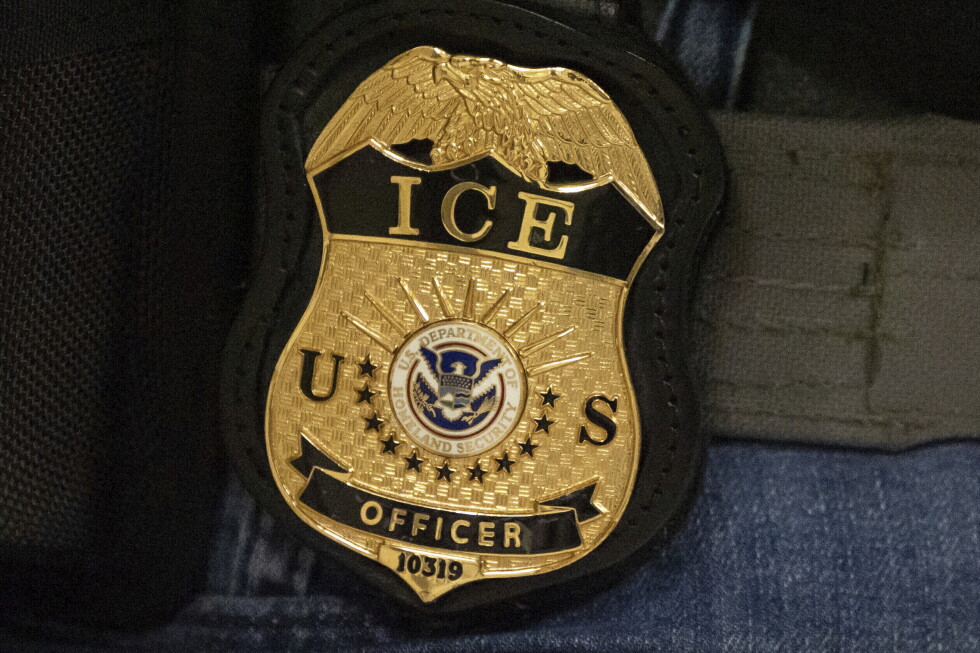
The United States Immigration and Customs Enforcement (ICE) has declared its intention to provide body cameras to every field officer by the end of August. This move is expected to offer an unprecedented visual account of immigration enforcement activities across the country. However, the accessibility of this footage to the public remains largely dependent on ICE's discretion. The agency defended its body-worn camera policy amid concerns about provisions that allow ICE leadership to withhold or delay footage following serious injuries or deaths in custody. Acting Director David J. Venturella justified these restrictions as necessary for safeguarding investigations and privacy, asserting they are consistent with federal law and practices at other federal law enforcement agencies. In response to a report on ICE's policy, Venturella contended that the report had misrepresented the policy by conflating a provision allowing for expedited footage release after a serious injury or death in custody with ICE's broader authority to disclose body-camera footage. The policy, according to Venturella, specifies that footage should not be released when it could jeopardize investigations or privacy. The report did not indicate that this provision applies universally to all body-camera footage releases; instead, it focused on ICE's policy for releasing footage after particularly significant encounters with the public, such as those resulting in serious injury or death. The outlet sought ICE's comment before publishing its initial report on Friday, but received only partial responses that did not address the provision concerning footage release when it is deemed to be in ICE's "best interests." ICE has faced increased scrutiny since the fatal shooting of a 25-year-old motorist in Maine by an ICE officer with a history of violent behavior, and another shooting in Houston that resulted in the death of a homebuilder. Neither incident was recorded using body cameras. Venturella affirmed ICE's commitment to transparency and accountability, stating that the agency is on track to equip every field officer with body-worn cameras by August's end. Christopher Schneider, a sociology professor at Brandon University in Canada, commented that selective releases are common in some law enforcement agencies but are not usually so explicitly outlined in policy. Schneider added, "In some ways, ICE is saying the quiet part out loud." The story also mentioned that ICE's counterpart agency, Customs and Border Protection (CBP), has yet to release footage of the fatal shooting of Alex Pretti in Minneapolis in January. CBP Commissioner Rodney Scott told lawmakers that the withholding of footage was part of an investigation and would be disclosed "when appropriate."
ICE Announces Plans to Equip All Field Officers with Body Cameras by August End
The United States Immigration and Customs Enforcement (ICE) has declared its intention to provide body cameras to every field officer by the end of August. This move is expected to offer an unpreceden
NRI Post English Desk · 107 days ago · Updated 1 min ago · 2 min read
🔔 USA
Get notified when we publish on this topic.
Read more