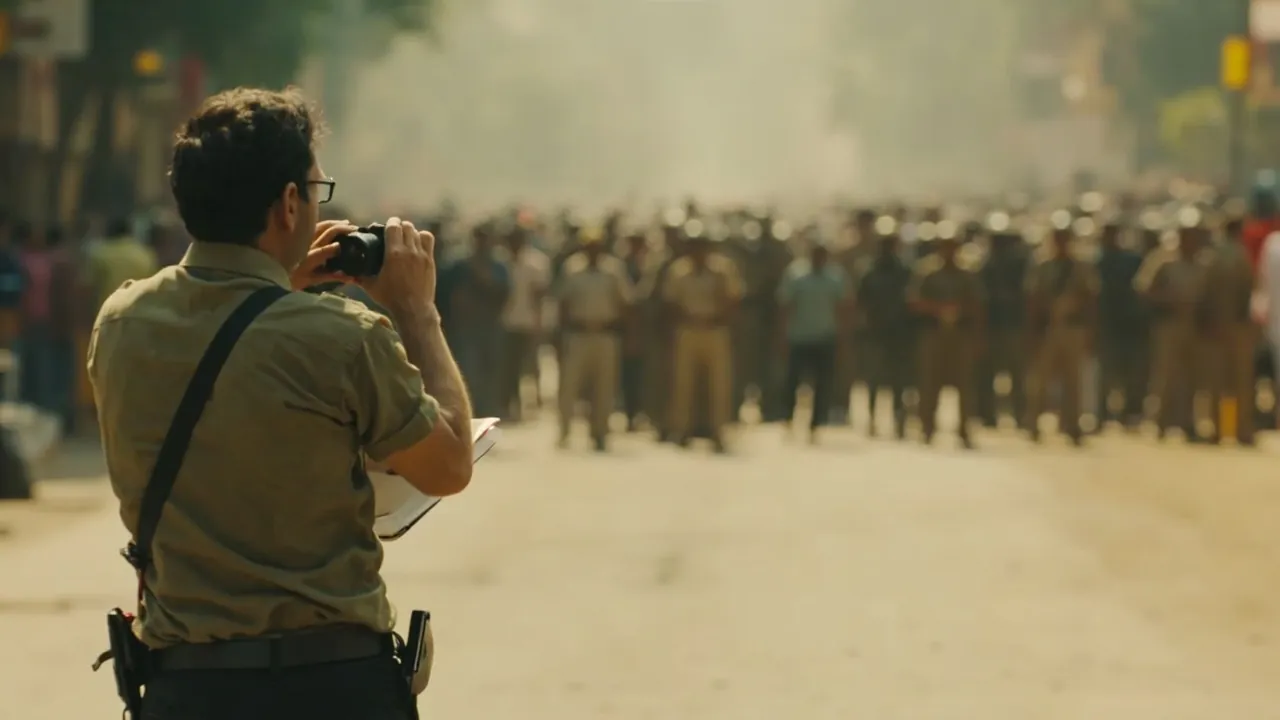
India's Supreme Court said on Thursday that people who call themselves journalists without official accreditation may not receive the same legal protection as recognised reporters. The court made the observation while hearing petitions from the Kerala Union of Working Journalists and the Delhi Union of Journalists, who complained that their reporters were forcibly removed from protest sites, blocked from recording events, and in some cases physically manhandled by police during demonstrations against Chief Election Commissioner Gyanesh Kumar in Delhi last month. A bench led by Chief Justice Surya Kant, along with Justices Joymalya Bagchi and V Mohana, noted that journalist status is not self-conferred and depends on accreditation through print, television or online registration. The court referred the pleas, including allegations that seven journalists were detained and others assaulted while covering the October 10 and 11 protests, to a high-powered committee headed by former Supreme Court judge R Subhash Reddy. The judges said they must first define who qualifies as a journalist, distinguishing accredited professionals from social media reel-makers, and signalled they may frame guidelines on how police should treat media personnel covering protests.
India's Supreme Court Questions Legal Status of Self-Declared Journalists
India's Supreme Court said on Thursday that people who call themselves journalists without official accreditation may not receive the same legal protection as recognised reporters. The court made the
NRI Post English Desk · 1 hours ago · Updated 1 hours ago · 1 min read
🔔 World
Get notified when we publish on this topic.
Read more