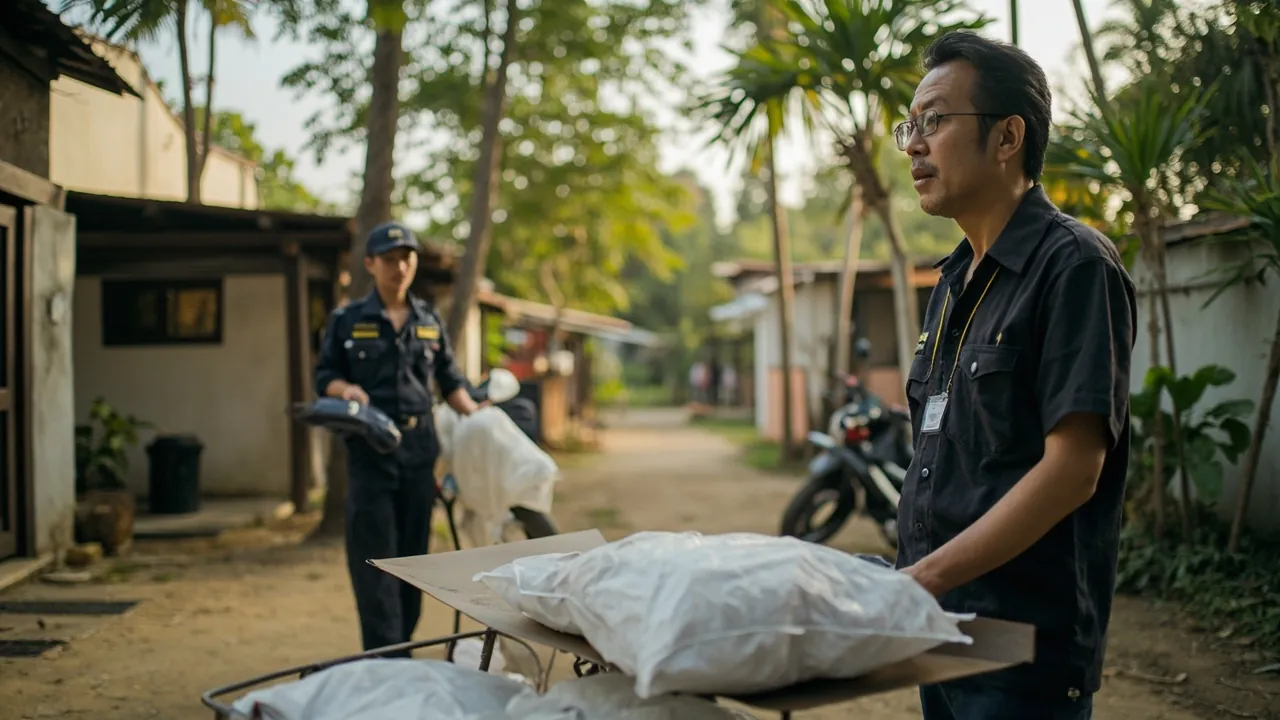
Agnes Shikoli, a resident of Kibera — one of Kenya's largest informal settlements — recalls the devastating floods that hit her home earlier this year. Her house, located near the Ngong river in Nairobi, was flooded up to mid-thigh, and the remnants of the disaster, like a broken TV and photos of loved ones lost, still remain. Shikoli's sister, Beatrice Khalayi, 58, was among more than 60 people who died due to flood-related incidents across Kenya. As Kenya enters its short rainy season, Shikoli expresses her fears, especially in light of warnings about the potential severity of El Niño, a weather phenomenon that could bring another round of flooding. "I fear it may kill us," she says. Kibera and other parts of Kenya are bracing for the possible impact of this year's El Niño, which forecasters predict could be one of the strongest on record. In southern Kenya, this means a higher risk of intense rains. Clean-up efforts have intensified in Nairobi, with workers removing garbage from riverbeds and unclogging drainage systems to prevent flooding. However, the existing drainage system is outdated and cannot handle the rapid growth in population and infrastructure over the years. Upgrading the sewerage and drainage system could cost up to $192m (£143m), but it's unclear if either the national or city council will be able to raise this amount of money. Floods disproportionately affect informal settlements like Kibera, where houses are built just a few meters from rivers and are at risk during flash floods.
Kibaristan ke log darr rahe hain: Kenyans fear El Niño's impact with floods predicted
Agnes Shikoli, a resident of Kibera — one of Kenya's largest informal settlements — recalls the devastating floods that hit her home earlier this year. Her house, located near the Ngong river in Nairo
NRI Post English Desk · 14 days ago · Updated 10 min ago · 1 min read
🔔 World
Get notified when we publish on this topic.
Read more