
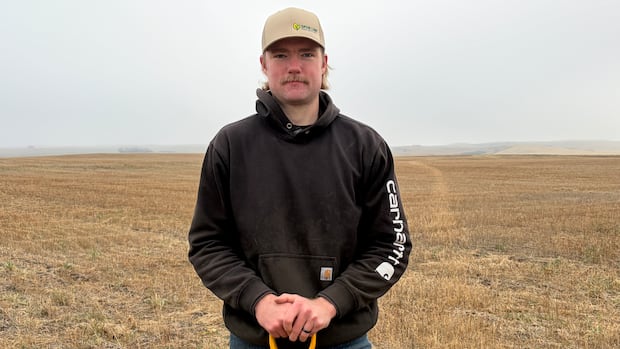
Shawn Catherwood, a fifth-generation farmer near Ceylon, Saskatchewan, has completed another season of zero-till farming. This farming method, adopted by 78% of farms in the province as of 2021, is credited for improving soil health and reducing wind and soil erosion. Research indicates a 41% increase in soil organic matter levels since the 1990s due to zero-till agriculture. The practice also helps manage weed control and retains water during drought periods. Bill Huber, president of the Saskatchewan Association of Rural Municipalities, commends farmers for adapting to zero-till and credits it for improved soil health and productivity. Huber suggests integrating more livestock and grasses to continue improving soil health in the province. Catherwood is taking it a step further by adopting regenerative agriculture principles, including limiting disturbance, building diversity, and integrating livestock, with plans to use bison this winter.
Saskatchewan Farmers Embrace Zero-Till Agriculture for Soil Health Improvement
Shawn Catherwood, a fifth-generation farmer near Ceylon, Saskatchewan, has completed another season of zero-till farming. This farming method, adopted by 78% of farms in the province as of 2021, is cr
NRI Post English Desk · 14 days ago · Updated 1 min ago · 1 min read
🔔 Canada
Get notified when we publish on this topic.
Read more