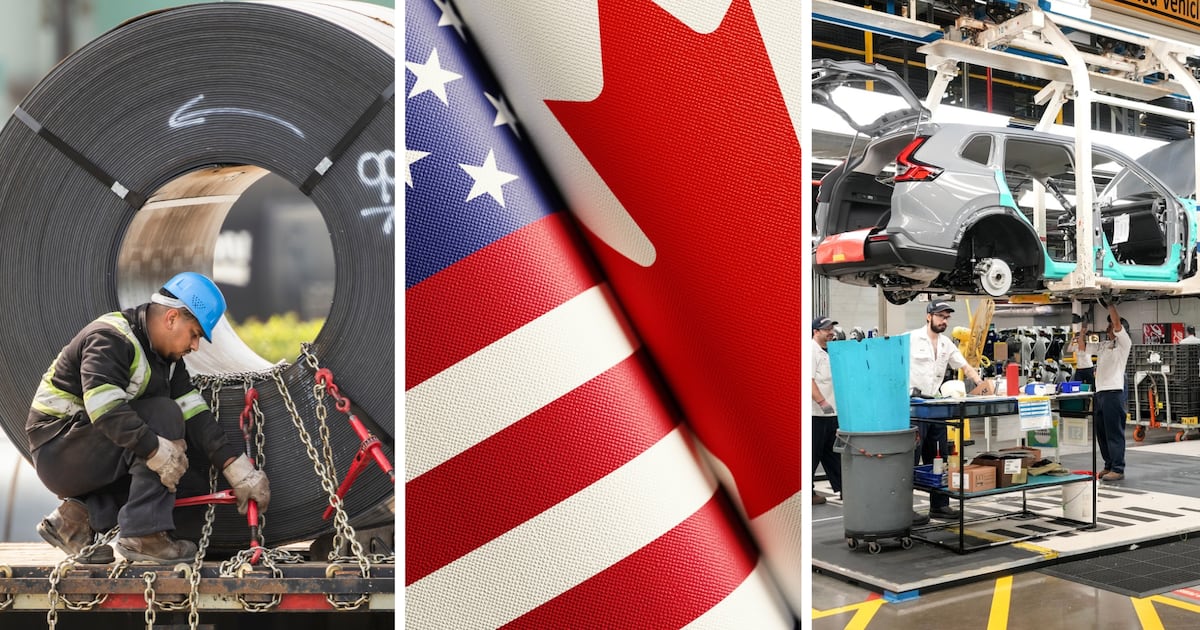
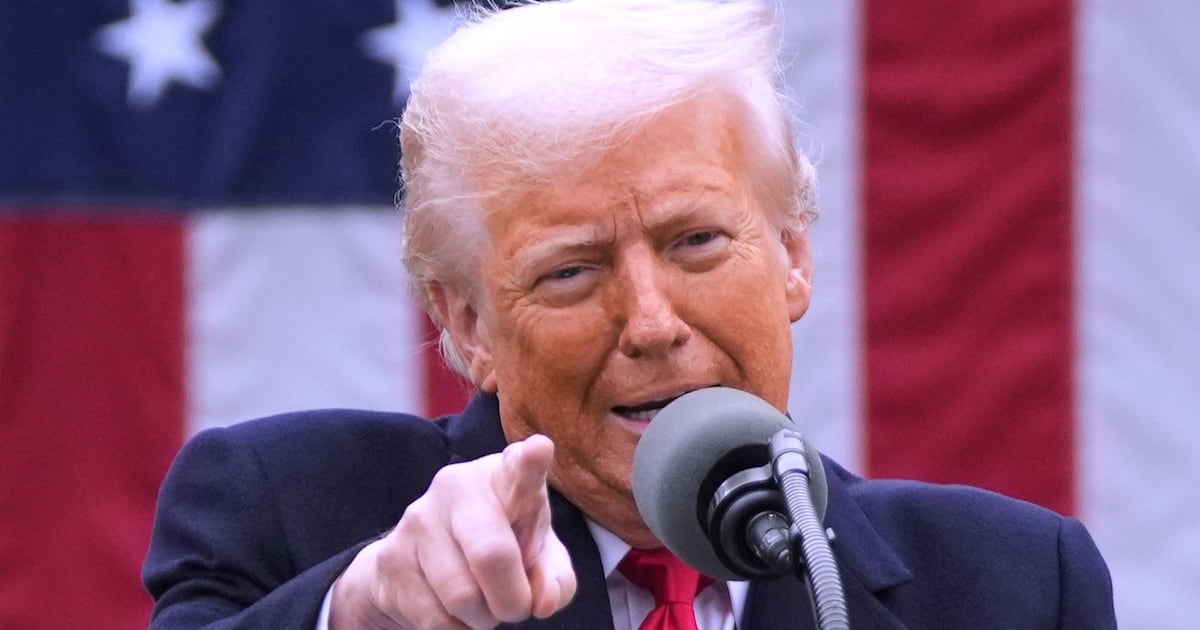
The administration of U.S. President Donald Trump announced plans on Wednesday to raise tariffs on Chinese goods by an additional 20 per cent and increase import taxes on products from the European Union, Japan, South Korea, Taiwan and nine other major trading partners. Washington says the proposed duties are meant to discourage excessive factory output in those economies, which it says is boosted by subsidies and trade barriers that put American manufacturers at a disadvantage. The taxes are also intended to replace tariff revenues lost after the U.S. Supreme Court ruled in February that Trump could not declare an economic emergency to bypass Congress and impose across-the-board tariffs. The duties stem from investigations into the trade practices of 12 countries, the 27-member EU and Taiwan. U.S. Trade Representative Jamieson Greer said he did not expect the tariffs to rattle the global economy, telling reporters that trading partners know what is being proposed and that the measures would not take effect earlier than a couple of months from now. The announcement came the day before Thanksgiving and follows midterm elections in which voters gave Democrats majorities in the House and the Senate, with about two-thirds saying Trump's policies had made the economy worse, according to a voter poll. Brazil was singled out for extra punishment after trade talks stalled, with higher import taxes proposed for raw and refined sugar and a new 10 per cent tariff on aircraft. Some Chinese goods would face a total rate of 45 per cent, while Vietnam faces a 20 per cent rate.
US Plans New Tariffs on China, EU and Other Trading Partners
The administration of U.S. President Donald Trump announced plans on Wednesday to raise tariffs on Chinese goods by an additional 20 per cent and increase import taxes on products from the European Un
NRI Post English Desk · 1 hours ago · Updated 1 min ago · 1 min read
🔔 Business
Get notified when we publish on this topic.